Running a restaurant in Calgary comes with a long list of operating costs, and energy is one of the biggest. What many owners do not realize is that refrigeration alone can account for a significant portion of a commercial kitchen’s total electricity consumption. Walk-in coolers, reach-in freezers, prep tables, and display cases all run around the clock, pulling power every minute of every day.
The good news is that there are practical, proven ways to reduce how much energy your refrigeration equipment uses without compromising food safety or performance. Some of these changes are simple habits your staff can adopt today. Others involve professional maintenance that pays for itself quickly through lower utility bills and fewer emergency breakdowns.
Whether you operate a single-location cafe or a high-volume restaurant, these energy-efficient refrigeration strategies can help you cut costs and extend the life of your equipment.
Why Refrigeration Energy Costs Are So High in Restaurants
Commercial refrigeration systems work hard. Unlike residential units that get opened a handful of times each day, restaurant coolers and freezers endure constant door traffic during prep and service. Every time a door opens, cold air escapes and warm kitchen air rushes in. The compressor kicks on to bring the temperature back down, and that cycle repeats dozens or even hundreds of times per shift.
Add Calgary’s seasonal extremes to the equation, and the demands on your equipment shift throughout the year. Summer heat forces condensers to work harder to reject heat, while winter conditions can create their own challenges depending on where your equipment is located and how your kitchen ventilation interacts with the refrigeration system.
The result is that many Calgary restaurants are paying far more than they need to on electricity simply because their refrigeration equipment is not operating at peak efficiency.
Practical Tips to Reduce Refrigeration Energy Use
Keep Condenser Coils Clean
This is one of the simplest and most overlooked maintenance tasks. Condenser coils are responsible for releasing heat from the refrigeration system. When they become clogged with dust, grease, and kitchen debris, the system cannot dissipate heat effectively. The compressor runs longer and works harder, consuming significantly more electricity.
In a busy commercial kitchen, condenser coils can become dirty within weeks. Technicians frequently find coils so packed with grime that the unit is using far more energy than it should. Cleaning the coils regularly, or having them cleaned as part of a scheduled maintenance program, is one of the fastest ways to improve efficiency.
Inspect and Replace Door Gaskets
The rubber gaskets around your cooler and freezer doors form the seal that keeps cold air in and warm air out. Over time, gaskets wear down, crack, tear, or lose their flexibility. When that seal is compromised, cold air leaks out continuously, and the compressor has to run more frequently to compensate.
A quick way to test your gaskets is to close the door on a piece of paper. If the paper slides out easily, the gasket is not sealing properly. Replacing worn gaskets is inexpensive compared to the energy waste they cause.
Common signs of failing gaskets include:
- Visible tears or deformation in the rubber
- Condensation forming around the door frame
- Frost buildup near the edges of freezer doors
- The door not closing fully or bouncing open slightly
Minimize Door Openings and Reduce Open Time
This sounds obvious, but it makes a measurable difference. Training your kitchen staff to plan their trips into walk-in coolers and freezers, rather than opening the door repeatedly for individual items, reduces the amount of warm air that enters the box.
Strip curtains on walk-in cooler and freezer doorways are another effective barrier. They allow staff to walk in and out while limiting air exchange. If your walk-in does not have strip curtains installed, adding them is a low-cost upgrade with a real impact on energy consumption.
Ensure Proper Airflow Around and Inside Units
Commercial refrigeration equipment needs breathing room. If boxes, supplies, or other equipment are stacked too close to the condenser or blocking the ventilation openings, airflow is restricted and the system runs less efficiently.
Inside the cooler or freezer, proper product placement matters as well. Overpacking shelves or stacking items directly against the evaporator fans blocks cold air circulation. This creates warm spots inside the unit, which forces the system to run longer to maintain an even temperature.
Best practices for airflow include:
- Leaving at least six inches of clearance around condenser units
- Keeping evaporator fan areas clear of product and packaging
- Allowing air to circulate between shelving and walls
- Never blocking return air vents inside the box
Set Temperatures Accurately
It is surprising how often technicians find commercial coolers and freezers set colder than they need to be. A walk-in cooler set to 0°C when it only needs to hold at 2°C is wasting energy every single day. The same applies to freezers set far below the required -18°C.
Check your temperature settings against food safety requirements and adjust accordingly. Even a one or two degree correction can reduce energy use over time without any risk to product quality.
If your thermostats or digital controllers are old or unreliable, consider having them calibrated or replaced. Inaccurate temperature readings lead to systems running when they do not need to, or worse, not running enough and putting food safety at risk.
Defrost Systems Need Attention Too
Most commercial freezers and low-temperature coolers rely on automatic defrost cycles to keep evaporator coils free of ice. When defrost components fail or fall out of calibration, ice accumulates on the coils and restricts airflow. The system then struggles to cool effectively, running longer and drawing more power.
On the other hand, defrost cycles that run too frequently or for too long add unnecessary heat into the box, which the refrigeration system then has to remove. Both scenarios waste energy.
Having the defrost system inspected and properly calibrated as part of routine commercial refrigeration maintenance ensures it operates only when needed and for the correct duration.
Calgary-Specific Considerations for Refrigeration Efficiency
Summer Heat and Condenser Performance
Calgary summers can push daytime temperatures well into the 30s, and if your condenser unit is mounted on the roof or in a poorly ventilated mechanical room, the ambient heat makes it harder for the system to reject heat. This is when energy consumption spikes and when equipment is most likely to struggle.
Before summer arrives, having your condensers professionally cleaned and inspected helps ensure they can handle the increased thermal load. If your restaurant uses rooftop units for HVAC, the same principle applies. Keeping all rooftop equipment well maintained reduces the overall energy burden on your building.
Winter Challenges
Cold weather brings its own set of issues. Condensers exposed to extreme cold can experience low head pressure problems, which actually reduces cooling efficiency and can cause erratic system behavior. Fan cycling controls and head pressure valves need to be functioning correctly to manage winter operation.
Additionally, kitchen exhaust systems pulling large volumes of air out of the building during winter can create negative pressure, which sometimes affects how cooler and freezer doors seal. If staff notice doors swinging open on their own or difficulty keeping them closed, it may be worth investigating the building pressure balance.
The Role of Professional Maintenance in Long-Term Savings
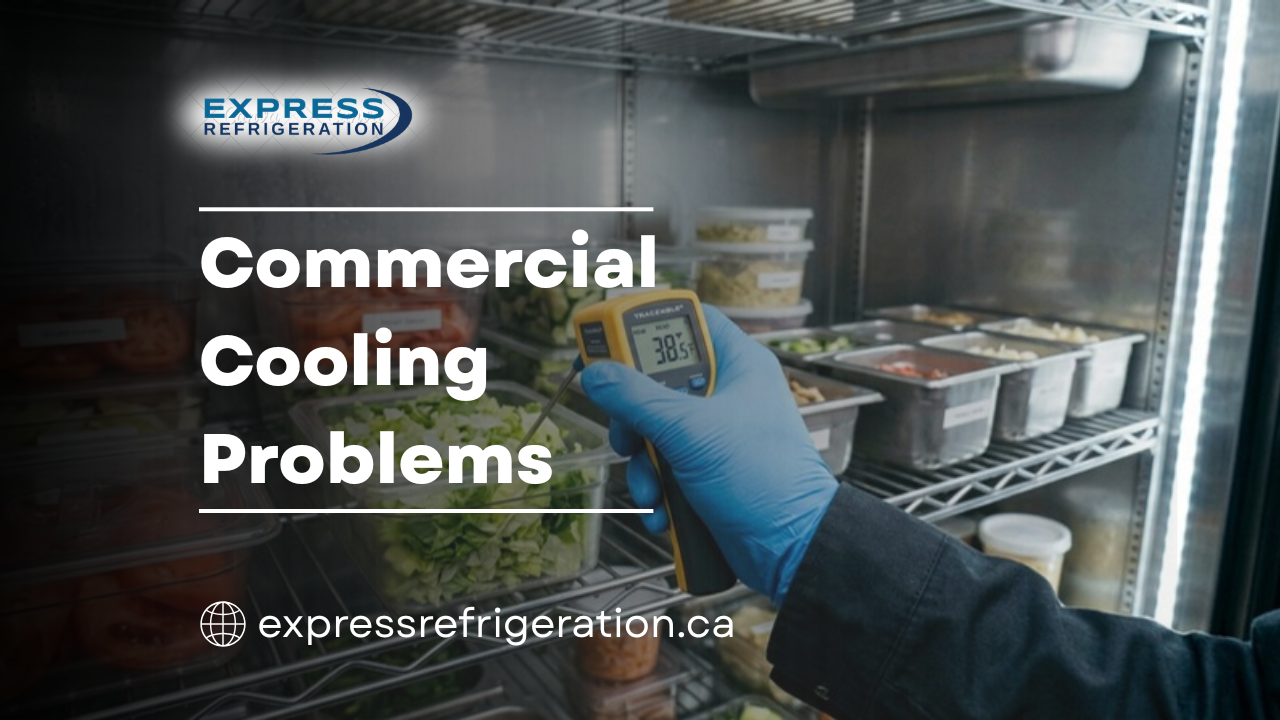
There is a limit to what in-house staff can handle when it comes to refrigeration efficiency. Cleaning visible surfaces, keeping doors closed, and monitoring temperatures are all important habits. But the mechanical and electrical components that truly drive energy consumption require professional attention.
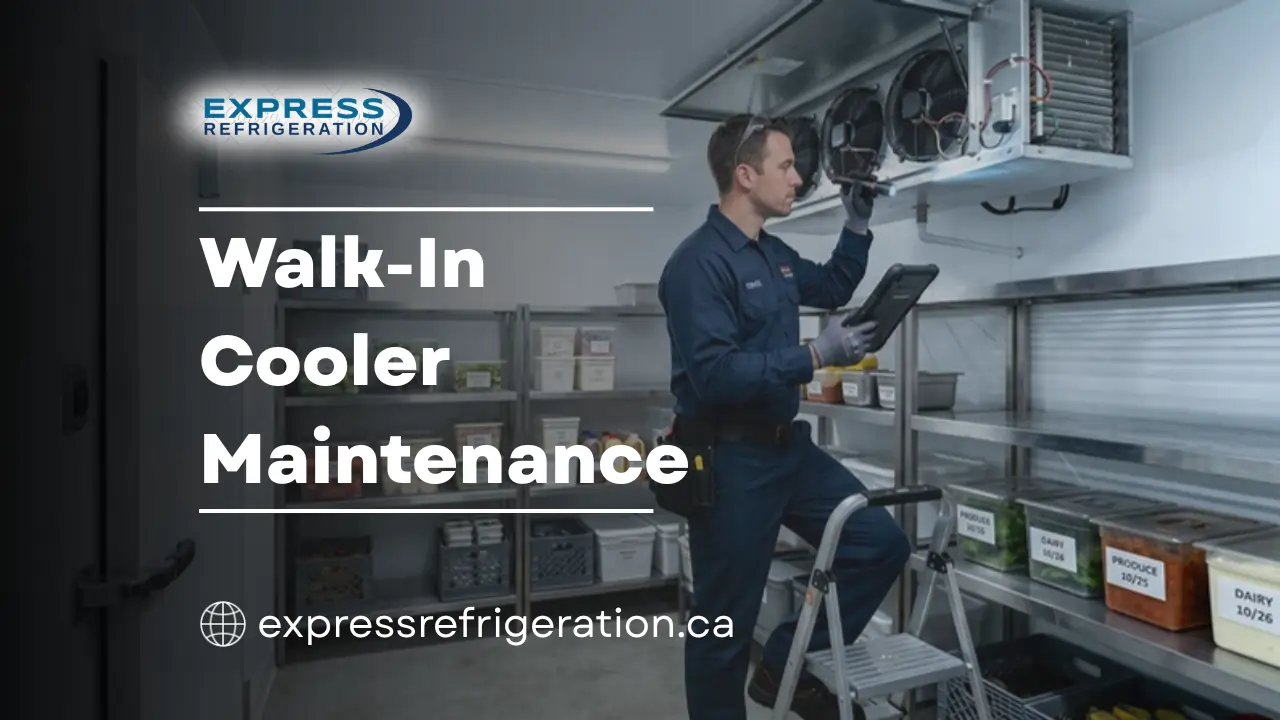
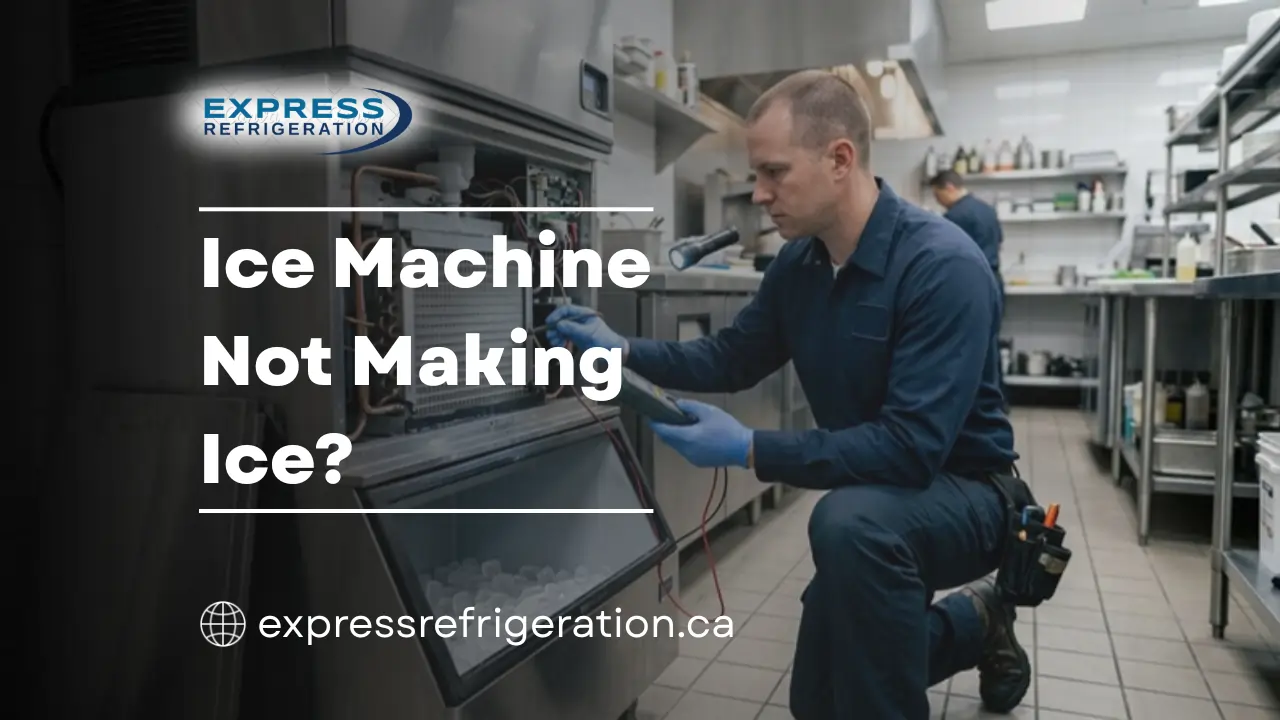
A qualified technician can identify issues that are invisible to the untrained eye. Refrigerant charge levels, compressor amp draws, superheat and subcooling readings, electrical connection integrity, and fan motor performance all affect efficiency. When these values drift out of specification, the equipment uses more energy and wears out faster.
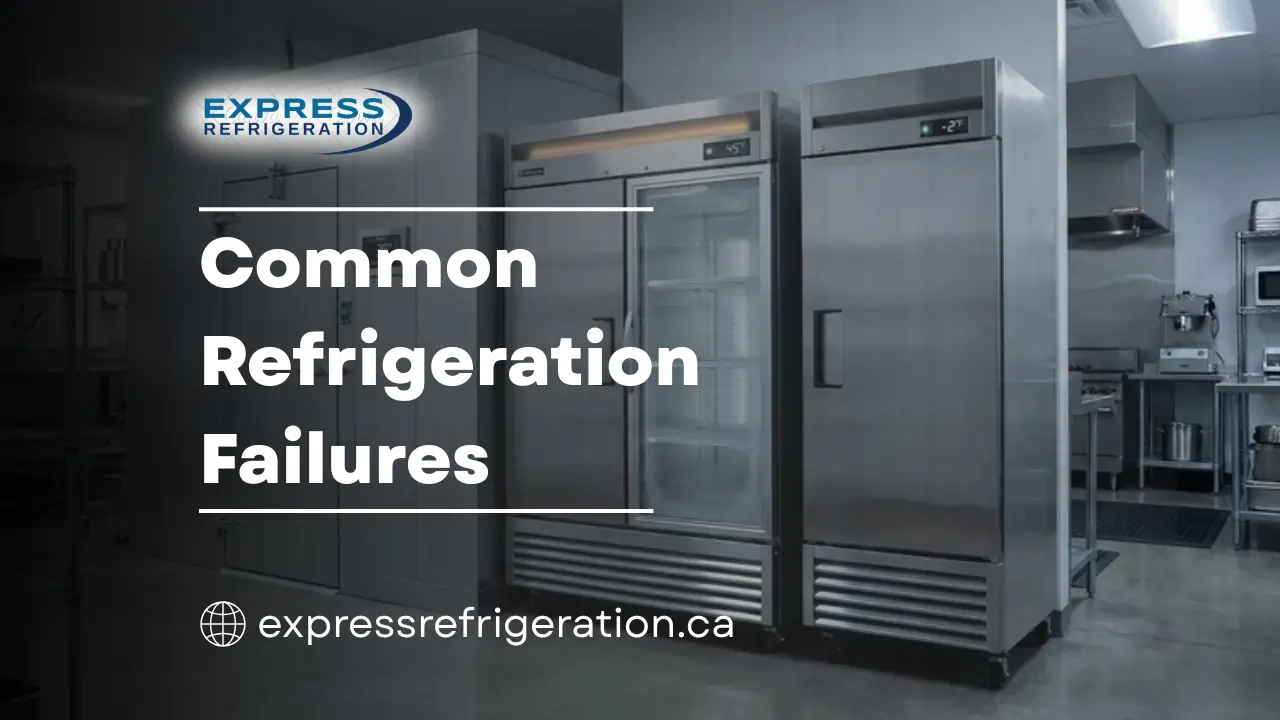
Restaurants that invest in regular professional maintenance consistently see lower utility bills, fewer emergency repairs, and longer equipment lifespans. The cost of a maintenance visit is small compared to what an inefficient system wastes in electricity month after month. Businesses that skip preventive care are often the same ones dealing with common refrigeration failures that could have been avoided entirely.
Quick Checklist for Restaurant Owners
If you want to start improving your refrigeration efficiency today, here is a straightforward checklist:
- Clean condenser coils monthly or as needed based on kitchen conditions
- Inspect door gaskets on all coolers and freezers every few weeks
- Install strip curtains on walk-in doors if not already in place
- Train staff to minimize door open time and plan cooler trips
- Verify temperature set points are accurate and appropriate
- Keep clearance around all refrigeration equipment for proper airflow
- Schedule professional maintenance at least twice per year
- Address unusual noises, frost patterns, or temperature swings immediately
Invest in Efficiency Before Problems Escalate
Energy waste from poorly maintained refrigeration equipment adds up fast, especially for Calgary restaurants running multiple units across long operating hours. The steps outlined in this article are not complicated, but they do require consistency and follow-through.
If your refrigeration systems are running harder than they should, driving up your electricity bills, or showing signs of wear, professional service can identify the root causes and correct them before they turn into expensive failures.
The team at Express Refrigeration works with Calgary restaurants and food service businesses to keep commercial refrigeration equipment running at peak efficiency. From routine maintenance and cleaning to diagnostics and repair, their experienced technicians understand what it takes to reduce energy costs and protect your bottom line.
Contact Express Refrigeration today to schedule a maintenance visit and start putting those energy savings back into your business.