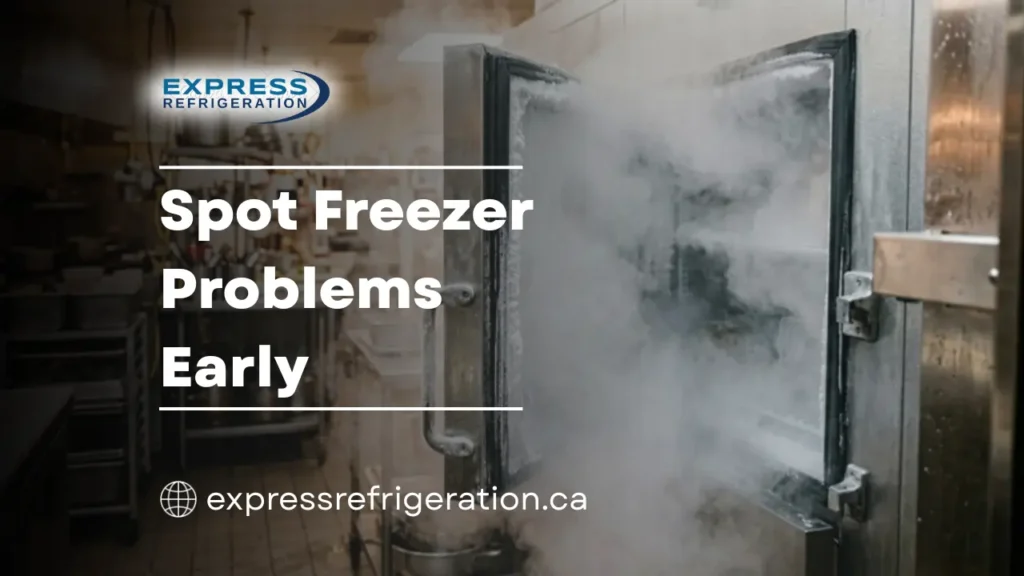
A fully stocked walk-in freezer in a busy Calgary restaurant can hold tens of thousands of dollars in frozen product at any given time. Proteins, prepared sauces, pastry doughs, ice cream, seafood. It all sits behind that heavy door, relying on a system of compressors, fans, and refrigerant lines to stay at a safe holding temperature around the clock.
When that system starts to fail, it rarely happens all at once. There are warning signs. Subtle shifts in temperature. Strange sounds. Frost patterns that look a little off. The problem is that most business owners do not recognize those signs until the freezer goes down completely and the inventory inside is already compromised.
This article breaks down the most common indicators that a commercial freezer is heading toward failure, explains what causes those issues, and shows how responding quickly with professional service can prevent devastating financial losses.
Why Commercial Freezer Failures Are So Costly
Unlike a cooler, where products might survive a few hours of slightly elevated temperatures, a freezer failure puts everything at risk. Once internal temperatures climb above -18°C, the clock starts ticking. Depending on what you store, you may have a very short window before product becomes unsafe to serve.
For restaurants, catering companies, and food service operations across Calgary, a single freezer breakdown can result in:
- Complete loss of frozen inventory worth thousands of dollars
- Health code violations if compromised product is unknowingly served
- Unplanned downtime during peak service hours
- Emergency repair costs that are significantly higher than preventive maintenance
- Damage to the freezer itself if the root cause is ignored too long
The reality is that most of these situations are avoidable. Freezers almost always show warning signs before a full breakdown. Recognizing those signs early and acting on them is the difference between a minor repair bill and a catastrophic loss.
Early Warning Signs That Your Commercial Freezer Is Failing
Temperature Fluctuations
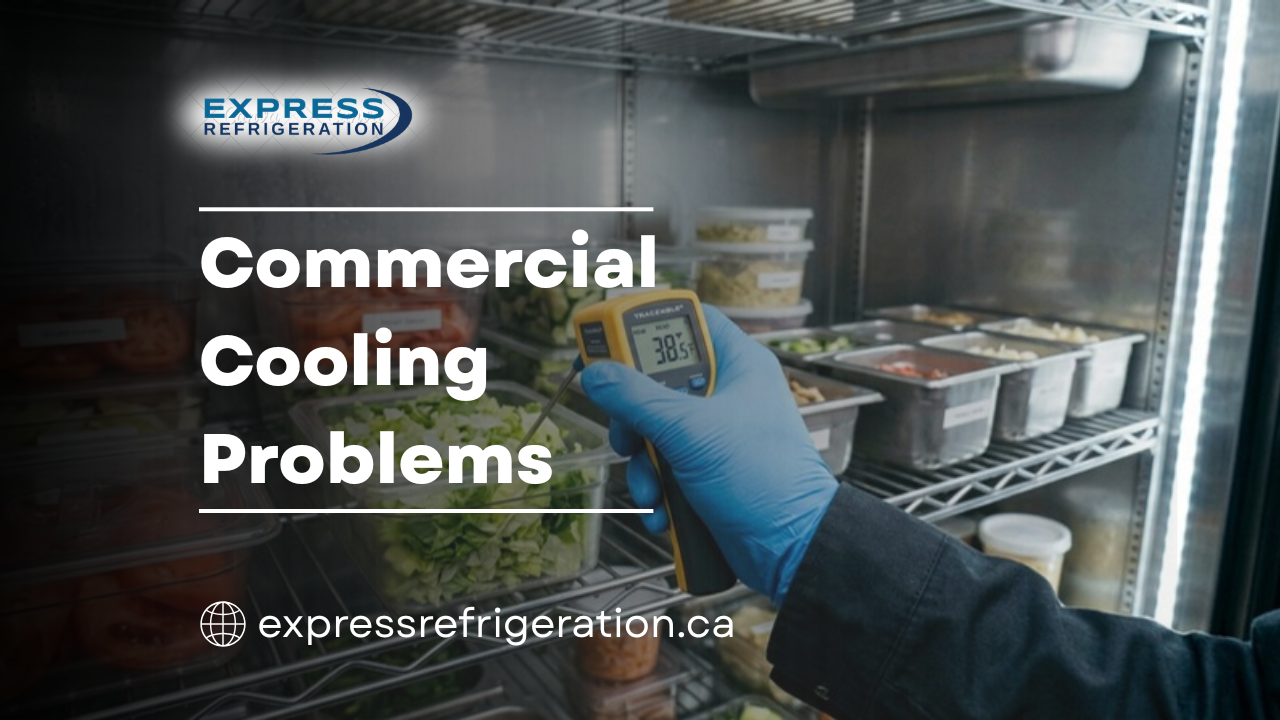
This is the most common and most important warning sign. If your freezer is struggling to maintain a consistent temperature, something is wrong. You might notice the digital display jumping around, or your thermometer readings may show a gradual upward trend over the course of a few days.
Small fluctuations of a degree or two can sometimes be explained by heavy door traffic during a busy service. But if you are seeing swings of three degrees or more, or if the unit is unable to pull back down to its set point after being opened, there is likely an underlying mechanical issue.
Common causes include:
- Low refrigerant levels from a slow leak
- A failing compressor that cannot maintain adequate pressure
- Dirty or blocked condenser coils restricting heat exchange
- A malfunctioning expansion valve
Temperature problems tend to get worse over time. What starts as a minor fluctuation can escalate into a complete inability to hold safe temperatures within days.
Excessive Frost or Ice Buildup
A thin, even layer of frost inside a commercial freezer is normal. What is not normal is thick ice buildup on the evaporator coils, walls, ceiling, or around the door gaskets.
Heavy frost accumulation is usually a sign that the defrost cycle is not functioning properly. Most commercial freezers run automatic defrost cycles several times a day to keep the evaporator coils clear. When that system fails, ice builds up on the coils and restricts airflow. The unit then has to work harder to cool, which accelerates wear on the compressor and fan motors.
Other causes of abnormal frost include:
- Damaged or worn door gaskets allowing warm air infiltration
- A stuck or broken defrost timer
- Failed defrost heater elements
- Blocked drain lines that prevent meltwater from exiting during defrost
If you are scraping ice off the interior walls of your freezer more than occasionally, it is time to have the walk-in cooler and freezer system inspected by a qualified technician.
Unusual Noises
Commercial freezers are not silent machines, but there is a difference between the normal hum of a running compressor and the sounds a failing unit produces. Pay attention to:
- Clicking or rapid cycling: This often indicates the compressor is trying to start but cannot. It may be overheating and shutting down on its safety switch, then attempting to restart repeatedly.
- Buzzing or humming without the compressor engaging: Could point to a failed start capacitor or relay.
- Grinding or squealing: Usually a sign of worn fan motor bearings, either on the evaporator fan inside the box or the condenser fan on the exterior unit.
- Hissing or gurgling: May indicate a refrigerant leak or a restriction in the refrigerant line.
Any new or worsening noise from a commercial freezer should be investigated promptly. These sounds are the system telling you that a component is under stress, and stressed components eventually fail.
The Compressor Runs Constantly
A properly functioning commercial freezer cycles on and off throughout the day. The compressor runs to pull the temperature down, reaches the set point, and then shuts off until the temperature rises slightly. This cycling is normal and healthy for the equipment.
If the compressor never seems to shut off, it means the system cannot reach or maintain its target temperature. The compressor is running continuously trying to compensate for a problem elsewhere in the system.
This could be caused by:
- A refrigerant leak reducing cooling capacity
- Blocked condenser coils forcing the system to work overtime
- A failing evaporator fan not circulating cold air properly
- Damaged door seals letting warm air in continuously
A compressor that runs nonstop will eventually overheat and burn out. Compressor replacement is one of the most expensive repairs on a commercial freezer, so catching this early can save a significant amount of money.
Condensation or Moisture on the Exterior
If you notice moisture, sweating, or water droplets forming on the outside of your freezer panels or door, it may indicate that the insulation within the panels has been compromised. Over time, panel insulation can degrade due to moisture infiltration, physical damage, or age.
When insulation fails, the cold interior and warm exterior create a condensation point on the panel surface. This not only reduces energy efficiency but can also lead to mold growth and further structural deterioration of the freezer panels.
Rising Energy Bills Without Explanation
A sudden or steady increase in your electricity costs can sometimes be traced back to a struggling freezer. When components like compressors, fan motors, or defrost systems are not operating efficiently, the unit draws more power to achieve the same result.
Many Calgary restaurant owners notice their utility bills creeping up but attribute it to rate increases or seasonal changes. It is worth investigating whether your refrigeration equipment is the culprit, especially if the increase coincides with any of the other warning signs listed here.
How Fast Response Time Prevents Inventory Loss
When a commercial freezer starts showing signs of failure, the speed of your response directly determines the financial outcome.
Consider a scenario where a walk-in freezer in a Calgary restaurant holds $15,000 worth of frozen product. The compressor begins short-cycling on a Friday afternoon. By Saturday morning, the internal temperature has risen to -10°C. By Saturday evening, it is hovering near 0°C. By Sunday, the product is thawed, and much of it is no longer safe to refreeze or serve.
If a technician had been called on Friday when the short-cycling started, the repair might have involved replacing a $200 start relay and the freezer would have been back to normal within an hour. Instead, the owner now faces $15,000 in lost inventory plus the cost of an emergency weekend repair.
This is not an exaggerated example. Experienced commercial refrigeration technicians encounter this exact situation regularly. The cost of the repair itself is almost always a fraction of the cost of the lost inventory.
What a Professional Diagnostic Involves
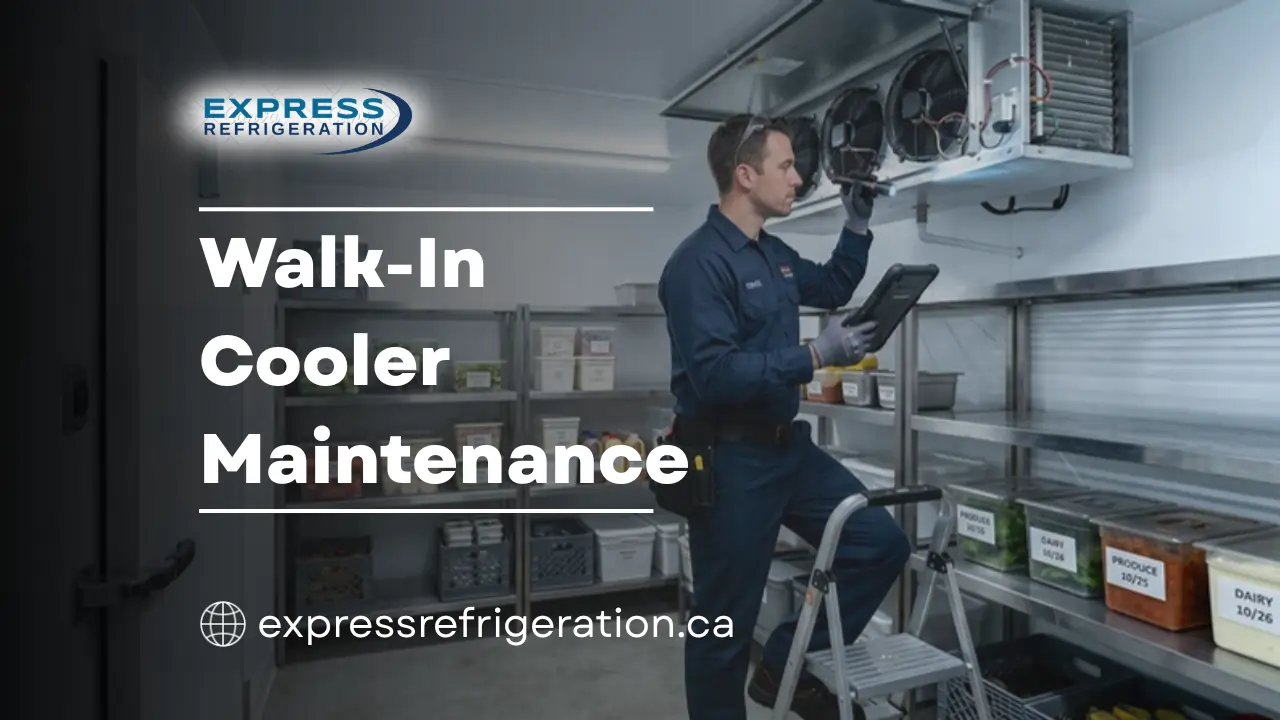
When a qualified technician inspects a commercial freezer showing signs of failure, they will typically:
- Check refrigerant pressures to identify leaks or low charge
- Inspect the compressor for proper operation and electrical readings
- Test defrost components including heaters, timers, and sensors
- Examine evaporator and condenser coils for cleanliness and airflow
- Inspect door gaskets, hinges, and seals
- Verify thermostat and control board operation
- Check fan motors and electrical connections
A thorough diagnostic often reveals not just the immediate problem but also secondary issues that could cause future failures. Addressing these during the same service call is far more cost-effective than dealing with them separately after another breakdown.
Preventive Maintenance: The Best Protection Against Failure
The most reliable way to avoid unexpected freezer failures is consistent preventive maintenance. Technicians who work with commercial refrigeration systems in Calgary restaurants and food service operations see the same patterns repeatedly. The businesses that schedule regular maintenance almost never experience catastrophic equipment failures.
A solid preventive maintenance program for a commercial freezer should include:
- Monthly: Cleaning condenser coils, checking door gaskets, verifying temperature accuracy
- Quarterly: Inspecting electrical connections, testing defrost cycles, checking refrigerant levels
- Annually: Full system inspection including compressor performance testing, fan motor evaluation, and control calibration
Calgary’s climate adds another layer of consideration. During summer months, condenser coils work harder due to higher ambient temperatures, and during winter, rooftop units face exposure to extreme cold and snow accumulation. Seasonal adjustments to your maintenance schedule can help account for these conditions.
When to Repair and When to Replace
Not every failing freezer needs to be replaced. In many cases, a well-maintained commercial freezer can last 15 to 20 years with timely repairs. However, there are situations where replacement makes more financial sense.
Consider replacement if:
- The unit is more than 15 years old and requires frequent repairs
- The compressor has already been replaced once
- Refrigerant leaks are recurring and the system uses an older refrigerant type being phased out
- Panel insulation is significantly degraded
- Energy costs are disproportionately high compared to newer models
For units that are still within their expected lifespan, professional repair is almost always the more economical choice. A skilled technician can help you weigh the cost of repair against the remaining useful life of the equipment so you can make an informed decision.
Do Not Wait for a Complete Breakdown
If your commercial refrigerator or freezer is not cooling properly, acting quickly is the single most important thing you can do. Every hour of delay increases the risk of inventory loss and can turn a minor repair into a major expense.
Calgary restaurant owners and food service operators deal with enough daily challenges without adding a preventable equipment failure to the list. Knowing what to look for and having a trusted service provider you can call at the first sign of trouble is the best insurance you can have.
Get Professional Freezer Service Before It Is Too Late
If your commercial freezer is showing any of the warning signs described in this article, do not wait to see if the problem resolves on its own. Temperature issues, unusual noises, constant compressor cycling, and excessive frost buildup are all signals that the system needs professional attention now.
The experienced technicians at Express Refrigeration help Calgary businesses diagnose and repair commercial freezer problems quickly, minimizing downtime and protecting your valuable inventory. Whether you need an emergency repair or want to set up a preventive maintenance plan, the team is equipped to handle walk-in freezers, reach-in units, and everything in between.
Contact Express Refrigeration today to schedule a professional inspection and keep your equipment running the way it should.