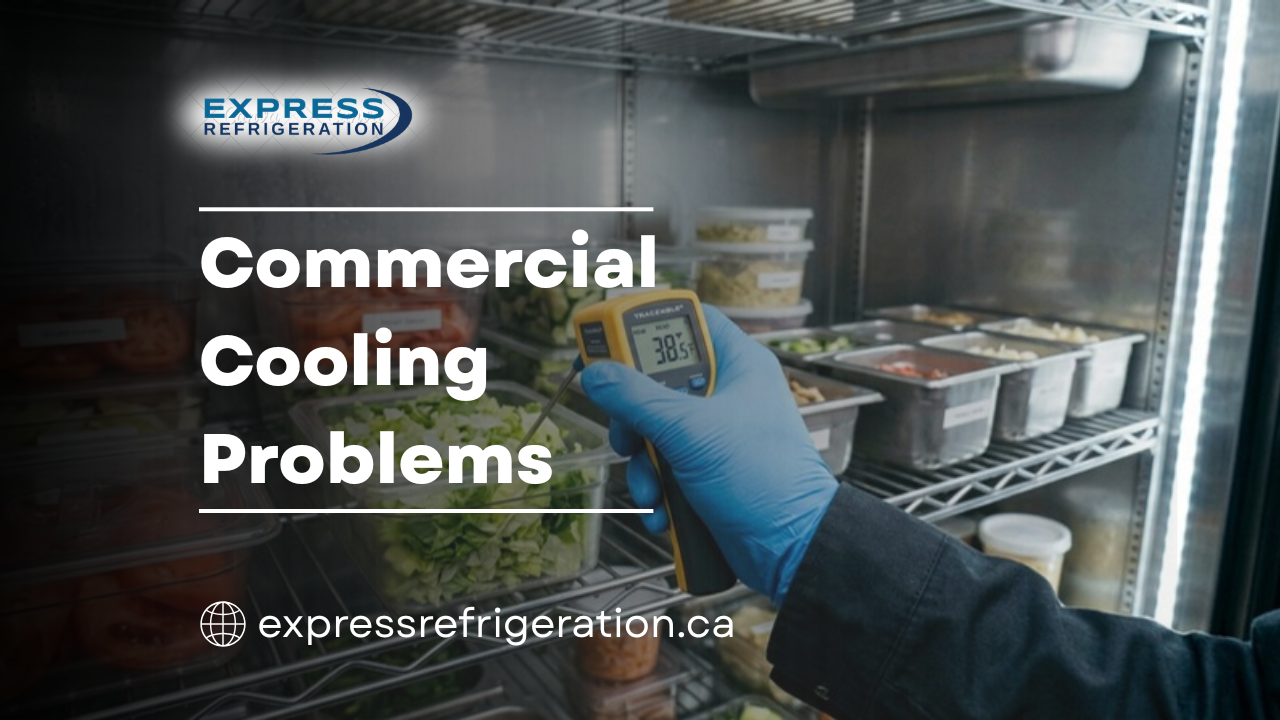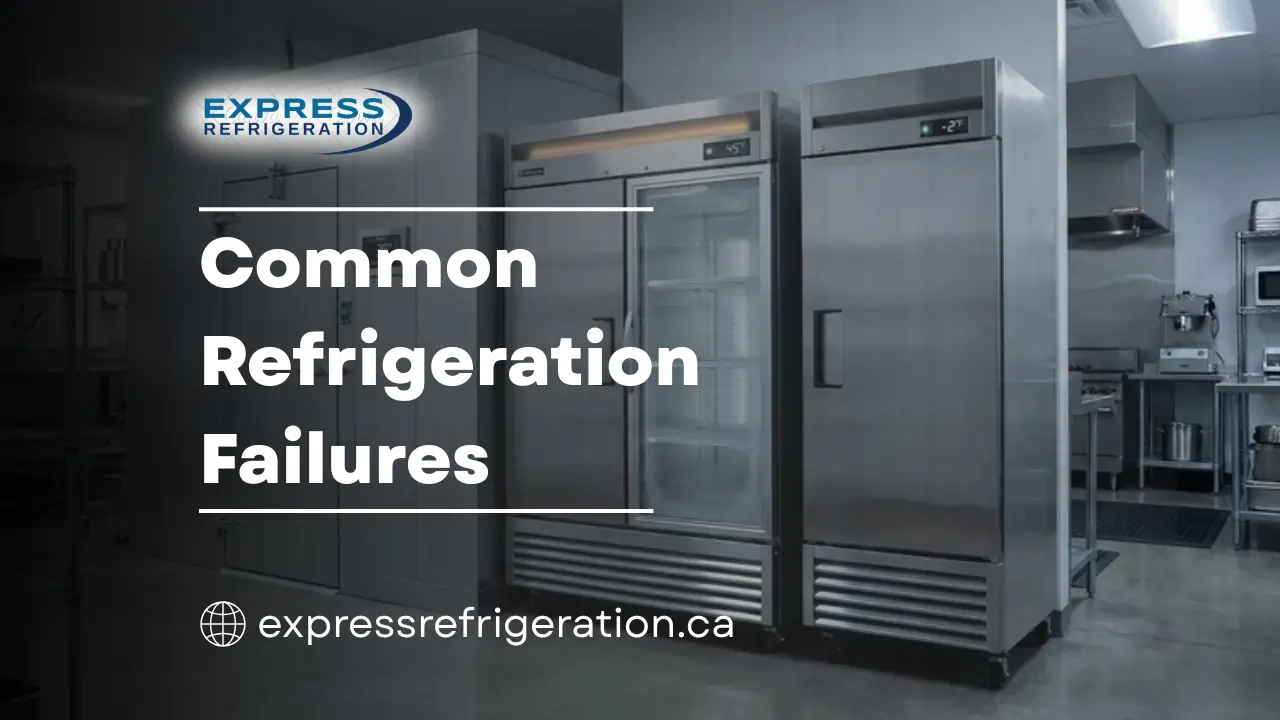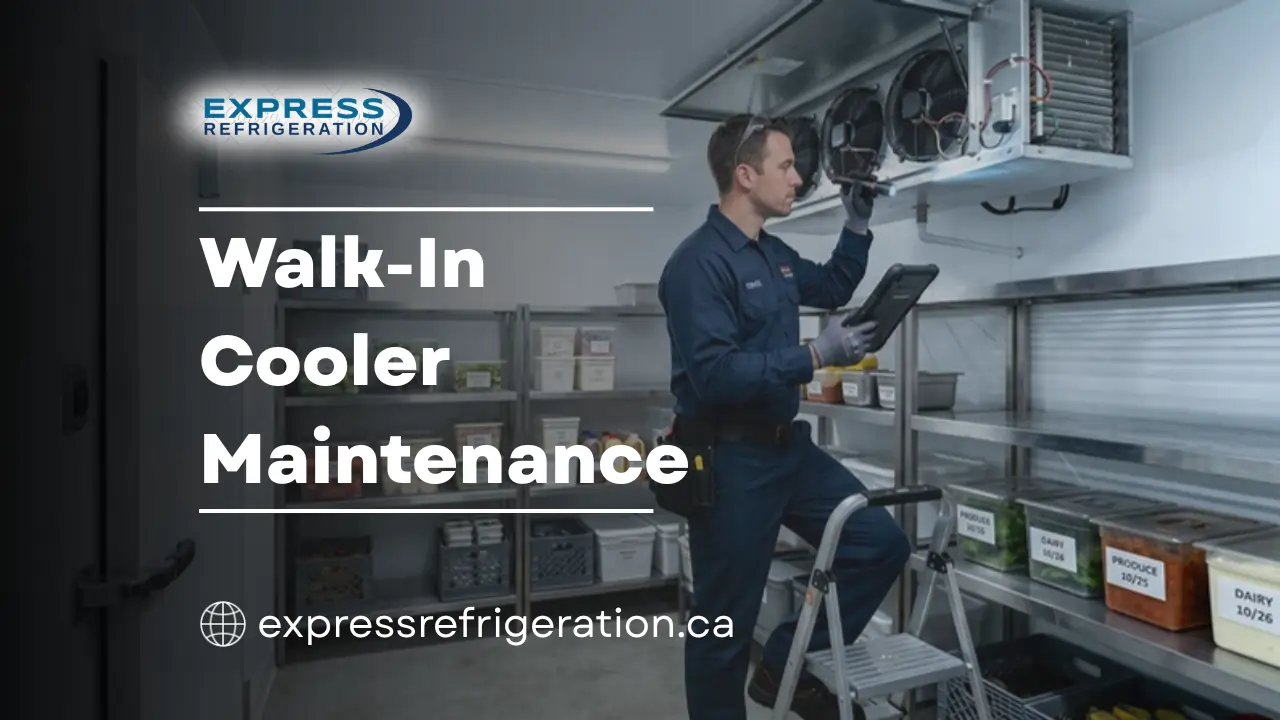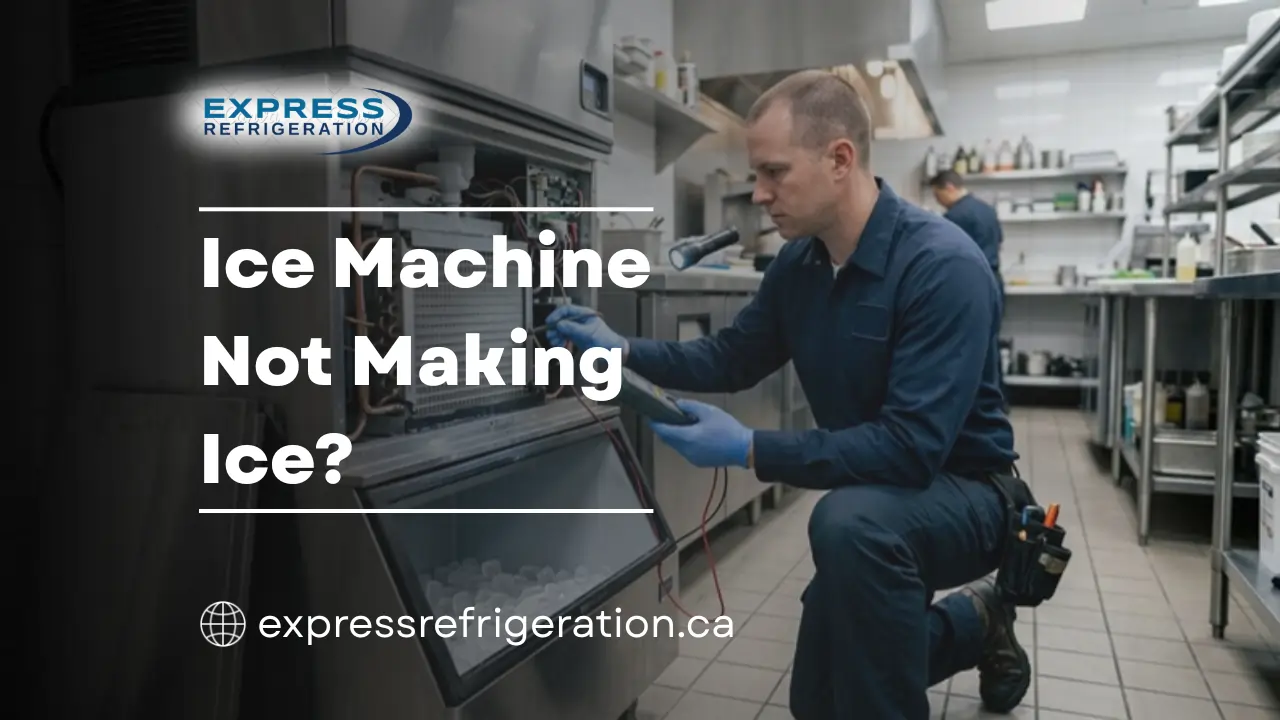
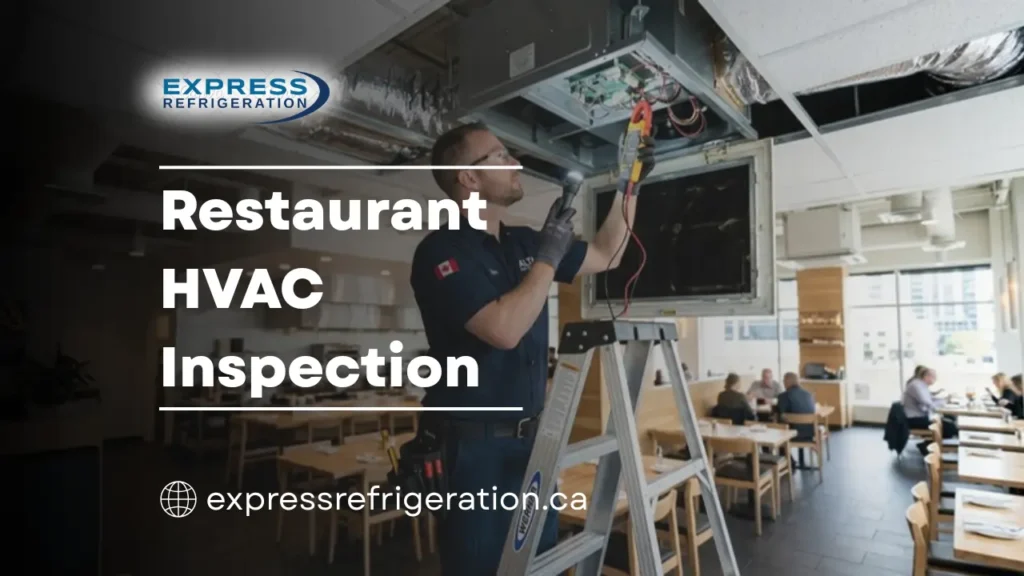
Restaurant operations depend on reliable climate control. When commercial HVAC systems fail, the impact goes beyond uncomfortable temperatures. Your dining room becomes too hot or cold for customers. Kitchen staff struggle to work safely in poor conditions. Ventilation systems that don’t meet health codes can force you to close until repairs are complete.
Understanding common HVAC failures and their warning signs helps restaurant operators avoid costly emergency shutdowns.
Why HVAC Reliability Matters in Foodservice Operations
Commercial kitchens generate significant heat from ovens, grills, and fryers. Your HVAC system must remove that heat while maintaining proper ventilation to meet health and safety requirements. When systems fail, the entire operation suffers.
Customer comfort directly affects your business. Guests won’t stay long in a dining room that’s too warm in summer or too cold in winter. Staff productivity drops when working conditions become difficult. Most importantly, inadequate ventilation can create code violations that result in failed inspections.
Most Common Restaurant HVAC Failures
Rooftop Unit Breakdowns
Most restaurants use rooftop HVAC units exposed to weather year-round. Compressor failures, refrigerant leaks, and worn components cause these units to stop working without warning. Regular inspections catch problems before complete failure occurs.
Airflow and Ventilation Problems
Blocked supply vents, restricted return air, or failed exhaust fans reduce airflow throughout your building. Kitchen exhaust hoods that don’t function properly create dangerous conditions and code violations. These issues often develop gradually until they become critical.
Thermostat and Control Failures
Faulty thermostats send incorrect signals to your HVAC equipment. The system may run constantly, cycle too frequently, or fail to maintain set temperatures. Control board failures can shut down your entire system until a technician replaces the damaged components.
Clogged Filters and Dirty Coils
Restaurants generate more airborne grease and particles than most commercial spaces. Filters clog faster and coils accumulate debris that blocks heat transfer. This forces your system to work harder, increases energy costs, and shortens equipment life.
Electrical and Sensor Issues
Loose connections, tripped breakers, and failed sensors cause intermittent problems that are difficult to diagnose. Electrical failures can damage expensive components if not addressed quickly.
Warning Signs That Require Attention
Catch problems early by watching for these indicators:
- Uneven temperatures between dining areas and kitchen spaces
- Strange sounds like grinding, squealing, or banging from equipment
- Utility bills that increase without changes in your operation
- Systems that turn on and off more frequently than normal
- Weak airflow from supply vents
- Humidity problems or condensation where it shouldn’t occur
What Staff Can Check vs When to Call Professionals
Your team can safely check air filters monthly and replace them when dirty. Staff can also verify that thermostats are set correctly and circuit breakers haven’t tripped.
Everything else requires licensed technicians. Refrigerant work, electrical repairs, component replacement, and rooftop equipment service must be performed by qualified professionals. Attempting these repairs without proper licensing creates safety hazards and liability issues.
How Preventive Maintenance Reduces Emergency Calls
Scheduled commercial HVAC services catch small problems before they cause system failures. During maintenance visits, technicians inspect all components, clean coils and condensers, check refrigerant levels, test controls, and verify proper airflow.
This approach extends equipment life and improves energy efficiency. Most importantly, preventive maintenance services dramatically reduce the emergency breakdowns that force you to close during peak business hours.
When to Call for Immediate Service
Contact a commercial HVAC company immediately when:
- Your system stops cooling or heating completely
- You notice refrigerant leaks or unusual odors
- Electrical components spark or circuit breakers repeatedly trip
- Ventilation systems fail to remove kitchen heat and smoke
- You hear loud unusual noises from rooftop units
Don’t wait for small problems to become major failures. Early intervention costs less and prevents the revenue loss that comes with unexpected closures.
Protect Your Restaurant Operations
Commercial HVAC failures disrupt every aspect of restaurant service. Regular maintenance, attention to warning signs, and quick response to problems keep your systems running reliably.
If you’ve noticed any warning signs or it’s been more than three months since your last service, contact our commercial HVAC specialists to schedule an inspection. Protecting your equipment now prevents emergency calls during your busiest service periods.